

I have spent years studying how players connect with online platforms, and one truth stands out clearly spinju-casino.eu.com. The most rewarding experiences come from a place of consciousness, not impulse. At Spinju Casino, the discussion around responsible play is not an oversight or a legal footnote. It is the cornerstone upon which every game, every feature, and every interaction is built. I want to lead you through the practical tools and mental frameworks that transform gambling from a chaotic risk into a managed, enjoyable leisure activity. This is about preserving the thrill without surrendering your judgment to the heat of the moment.
The Key Importance of Time Management
Cash is not the only currency I spend at the tables. Time is just as finite and arguably more precious. I have encountered sessions where I was financially ahead but had lost an entire evening that I intended to allocate to other hobbies or with family. I now set a strict timer on my phone before starting any game. When the alarm sounds, I finish the current round and stand up. This practice is not about mistrusting myself; it is about acknowledging the other commitments and joys in my life that exist outside the screen.
Reality checks are pop-up notifications that appear after a set duration of continuous play. I configure these to appear every 30 minutes. They force a moment of awareness where I must actively click to continue. This small interruption breaks the hypnotic trance that fast-paced slots can induce. During that pause, I ask myself three quick questions: Am I still having fun? Am I within my budget? read this page Do I need a break? If any answer is unsatisfactory, I close the tab. The pause is a lifeline back to rational thought.
Identifying the Signs of Session Fatigue
Decision fatigue is a silent bankroll killer. After an hour of intense concentration or rapid spinning, my cognitive sharpness dulls. I start making larger bets to recover losses faster, or I stray from my pre-set strategy in blackjack. I learn to recognise my personal symptoms of fatigue. These include irritability at losing small stakes, an accelerated clicking speed, and a growing disinterest to the outcome. When I notice these signs, I treat them as a mandatory stop signal, regardless of how much time remains on my timer.
Maintaining Perspective within the Digital Age
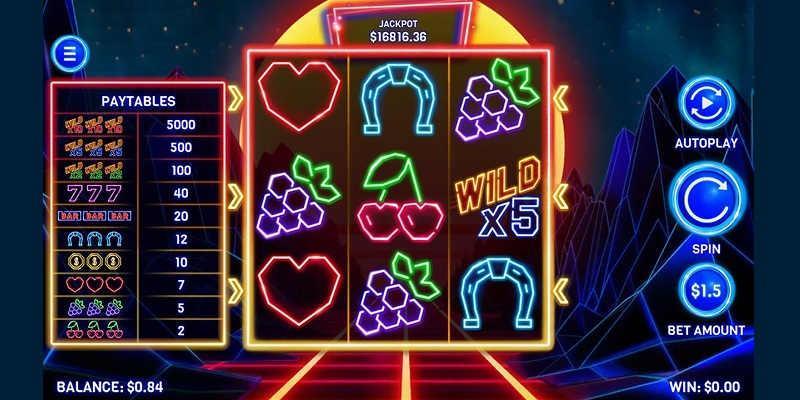
The online platform of a website like Spinju Casino is created to be immersive. The flashing lights, the sounds, and the smooth user experience can obscure the line between a pastime and reality. I actively remind myself that the digital chips represent genuine pounds sterling. I imagine the physical cash in my possession before I click the spin button. This mindset trick bridges the gap between the imaginary numbers on the screen and the real effort it took to earn that money. It slows down my decision-making process and injects a dose of reality into the online fantasy.
I don’t ever drink alcohol during a gaming session. Even a solitary glass of wine lowers inhibitions and harms the decision-making required to stick to a boundary. I treat a gaming session with the same seriousness I would apply to driving a car. The combination of a mind-altering substance and a risky financial activity is a surefire way for a cleared bank account. I have a glass of water on my desk instead. Hydration ensures the mind sharp, and a sharp mind is the best shield against the mental tricks embedded in casino design.
- Establish a set budget using money you can afford to lose completely.
- Set a countdown timer to control playing time before you sign in.
- Avoid chasing losses; accept it as the price of the fun.
- Withdraw a percentage of any significant win immediately.
- Take regular breaks to evaluate your feelings objectively.
I also pay attention to my physical state. If my eyes are strained, my back is sore, or I have missed a meal to keep playing, I have crossed a line. Physical neglect is a glaring red flag that the gaming has stopped to be entertainment and has turned into an obsession. I establish a rule that I must be well-fed, well-rested, and physically comfortable before I start. If I am not ready to stop the game to have dinner, then my priorities are severely skewed. The game will still be there tomorrow, but my health might not bounce back as simply.
Finally, I tell myself that the outcome of a session does not shape my self-esteem. A losing night does not make me a loser, and a winning night does not make me a genius. Both outcomes are momentary changes in a system designed for long-term averages. I detach my ego from the result. I discover meaning in my career, my relationships, and my passions outside of the casino lobby. When gambling is just a small, insignificant hobby rather than a source of self-esteem, knowing my limits becomes not a struggle, but a natural, effortless state of being.
Finally, knowing your limits at Spinju Casino is an act of dignity. It is the conscious choice to appreciate the bright lights and the suspense without letting them dull the rest of your life. I use the tools provided not because I am weak, but because I am wise enough to know that every human brain is vulnerable to the thrill of risk. By building a strict framework of time and money boundaries, I preserve the fun. I keep the game where it belongs: a pleasant pastime, never a desperate need.
Psychological Triggers and Emotional Security
I never log into my account when I am angry, isolated, or tired. These emotional states cloud reasoning and increase impulsive behavior. Gambling to escape a bad mood is a slippery slope I have learned to steer clear of. If I have had a stressful day at work, I go to the gym or talk to a friend before even considering a gaming session. I treat the login button as a gateway that should only be crossed with a clear and balanced mind. Emotional neutrality is the optimal state for sticking to pre-set limits and experiencing the software for what it is.
Recovering losses is the most destructive behaviour I witness in the gambling community. It happens when a player increases bet size in a desperate attempt to win back money that has already been lost. I recognize that a losing session is a sunk cost. The money is forfeited, and the statistical probability of retrieving it through larger bets is low. I view a loss as the price of the enjoyment I just consumed. By framing it this way, I neutralise the panic that fuels the chase. I close the game, and I walk away without looking back.

The Risk of the Hot Streak
Ironically, a winning streak can be just as dangerous as a losing one. A rapid succession of wins creates a feeling of invincibility. The brain produces dopamine, and I start convincing myself that I am on a “hot run” that defies mathematics. This overconfidence leads to increased stake sizes and the neglect of sensible stop-win limits. I set a profit target before I start. If I double my session bankroll, I cash out immediately. I refuse to let a lucky streak convince me that I am smarter than the random number generator.
Establishing Financial Boundaries When You Gamble
I never add funds without first consulting my monthly budget. The money allocated to Spinju Casino must be spare income, completely apart from rent, utilities, or savings. I notice that using a dedicated e-wallet or a separate bank account for leisure spending creates a physical barrier that stops impulsive overspending. When the leisure account reaches zero, the entertainment ends, regardless of how alluring a new game release looks. This pre-commitment strategy removes the emotional decision-making that occurs when we use a primary bank card linked to essential funds.
Deposit limits are the most efficient mechanical tool I use. In the account settings, I set daily, weekly, and monthly caps that reflect my financial reality, not my idealistic hopes. I treat these limits as unbreakable walls. If I hit a daily cap and feel the urge to continue, I identify that emotion as a danger signal, not a sign to adjust the limit upwards. It takes up to 24 hours for a limit increase request to activate, a cooling-off period that has rescued me from countless poor decisions made in the heat of a losing streak or a winning high.
Handling the Temptation of the Reverse Withdrawal
I view the withdrawal process a critical moment of truth. The “reverse withdrawal” feature, where pending cashouts can be instantly cancelled and returned to the gaming balance, is a psychological minefield. I set it a rigid rule to never undo a withdrawal. Once I have clicked that button, the money has left the gaming ecosystem and returned to my real world. I log out immediately after requesting a payout. This physical detachment stops the “just one more spin” mentality that often turns a successful cashout into a total loss within minutes.
Grasping the Real Check Toolset
Spinju Casino offers a suite of safe gaming tools that I consistently use, not just admit. These are not penal measures designed to limit fun; they are customisable safety nets. I can modify them to match my exact risk tolerance. The essential is to set these limits during a moment of calm clarity, not during the adrenaline rush of a gaming session. I check my settings on the first day of every month, adapting them based on my current financial landscape. A limit set six months ago might not reflect my current reality.
The self-assessment test is a option I return to periodically. It asks blunt questions about my habits. Do I gamble to flee worry? Do I borrow money to play? Have I lied about my activity? I answer these questions openly in a private moment. The test does not criticize me; it provides an objective snapshot of my connection with the platform. If the score ever trends upward, I do not dismiss it. I use it as a catalyst to strengthen my limits or to have a short break entirely.
Breaks Versus Self-Exclusion
I distinguish clearly between a short time-out and full self-exclusion. A time-out is my tool for a cooling-off period. If I have had a particularly demanding week, I might block my account for 24 to 72 hours. This is like locking the pub door for the weekend to pursue other activities. Self-exclusion is a more serious, long-term dedication for a minimum of six months. I do not use self-exclusion carelessly; I keep it for moments when I recognise a persistent loss of control that shorter breaks cannot solve.
How I Employ the Cool-Off Period Effectively
During a time-out, I do not simply stay for the clock to run down. I enthusiastically participate in alternative activities that imitate the psychological rewards of gaming. I might try a complex strategy video game that scratches the decision-making itch without financial risk, or I might go for a run to induce the same dopamine release. The objective is to prove to myself that the joy I pursue is found in many forms. When the time-out ends, I return with a refreshed perspective, often discovering that the compulsive urge has diminished significantly.
Harnessing Reality Checks for Long-Term Enjoyment
I incorporate reality checks not merely as pop-ups but as a holistic approach to my gaming habits. I keep a simple log of my sessions. I note the date, the game played, the amount deposited, and the amount withdrawn. This log is truthful. Over a month, it provides a distinct, unemotional picture of my net expenditure. I observe that players who skip looking at their transaction history often underestimate their losses. Facing the raw data holds me accountable and prevents the self-deception that permits a harmless hobby to morph into a financial strain.
Peer pressure and marketing can blur our limits. I opt out from promotional emails if I find that bonus offers are tempting me to deposit outside of my scheduled budget. A “free spins” offer is not free if it requires a deposit I did not intend to make. I organize my digital environment to uphold my limits. I engage with responsible gambling advocates on social media to offset the celebratory big-win posts that flood the timeline. I surround myself with a narrative of mastery, not chaos.
Creating a Sustainable Routine
A sustainable routine features planned breaks of several days. I rarely gamble every day of the week, even if the deposits are small. The frequency of play can normalise the behaviour to a point where it becomes a compulsive habit rather than a deliberate choice. I assign specific “gaming days” in my calendar. On the other days, I do not even opening the website. This structured approach secures that gambling remains a single facet of a diverse and fulfilling life, not the central axis around which my free time revolves.
Helping Networks and External Intervention
I recognise that self-control tools have a ceiling. Sometimes, external support is necessary. I store the contact details of UK-based organisations like GamCare and the National Gambling Helpline saved in my phone. I do not view reaching out to them as a failure. I view it as an intelligent escalation. If my self-imposed limits consistently fall short, or if I find myself hiding my activity from friends, the problem has moved beyond the scope of a software setting. Professional advisors deliver a confidential, non-judgmental space to reset my relationship with risk.
I have also explored the blocking software that prevents access to gambling sites across all my devices. This is a stronger step than self-exclusion on a single platform. It creates a thorough barrier. I advise this for anyone who finds that exclusion on one site simply leads to signing up for another. The goal is to protect my future self from the impulses of my present self. By installing these blocks during a moment of resolve, I safeguard my finances during moments of weakness.
Financial Advice as a Preventative Measure
I believe financial literacy is a vital complement to responsible gaming tools. Understanding compound interest, budgeting, and debt management reduces the attraction of gambling as a “quick fix” for financial woes. I have seen players fall into a trap where a small credit card debt leads to desperate gambling, which then leads to larger debt. I advocate for speaking to a free financial advisor if gambling losses are impacting essential living costs. Separating the entertainment budget from the survival budget is not possible if a person does not have a clear overview of their finances.
The Part of Friends and Family
I make a point of transparent with a trusted friend about my gaming limits. Secrecy is a hotbed for addiction. I share my monthly loss limit with them, and I give them permission to ask me about it. This external accountability is powerful. It is much harder to justify breaking a limit when I know a non-judgmental person might inquire about my week. This social contract keeps me grounded. It reminds me that the person on the other side of the screen is not a solitary player but a father, a friend, or a colleague with responsibilities.
The thinking behind controlled entertainment
I regard gambling not as a financial pursuit but as a paid entertainment service. When you acquire a cinema ticket, you do not anticipate to depart with more money than you entered. You pay for the event. The same logic works exactly to slot spins and table games. The moment I internalised this mindset, the pressure to chase losses disappeared. The cost of playing becomes a set entertainment budget, and any win is genuinely a benefit rather than a target. This mental shift is the single most powerful safeguard I can suggest to any UK player.
Casinos are structured with complex mathematical models. The house edge is not a hidden conspiracy; it is the day-to-day cost of providing the thrill. I accept that the statistical probability is tilted in favour of the house over the long term. Comprehending this does not make the experience any lower exciting. On the contrary, it liberates me to appreciate the graphics, the sound design, and the brief suspense of a spinning reel without the anxiety of requiring a specific outcome to pay a bill. Entertainment value, not financial recovery, must remain the core objective.
Separating from skill and chance
I often observe misunderstanding among players about game categories. Blackjack and poker include elements of skill and decision-making that can affect the return-to-player percentage in the short term. Slots and roulette, however, are pure games of chance where no strategy can adjust the random number generator. I find it useful to categorise my session before it begins. Am I here for a strategic challenge, or am I here for relaxed relaxation? This division dictates the pace of my play and the size of my stakes.
The illusion of the near miss
One psychological trap I examine intently is the close call. When two jackpot symbols land on the payline and the third sits just one row away, the brain behaves almost similarly to a win. This physiological response fools us into thinking we are close to a payout, prompting prolonged play. I condition myself to see a near miss as a loss, clear and simple. The machine did not almost pay me; it simply took my stake. By dismissing the illusion of nearness to a win, I keep rational control over my session length and quit chasing shadows on the screen.

Leave a reply